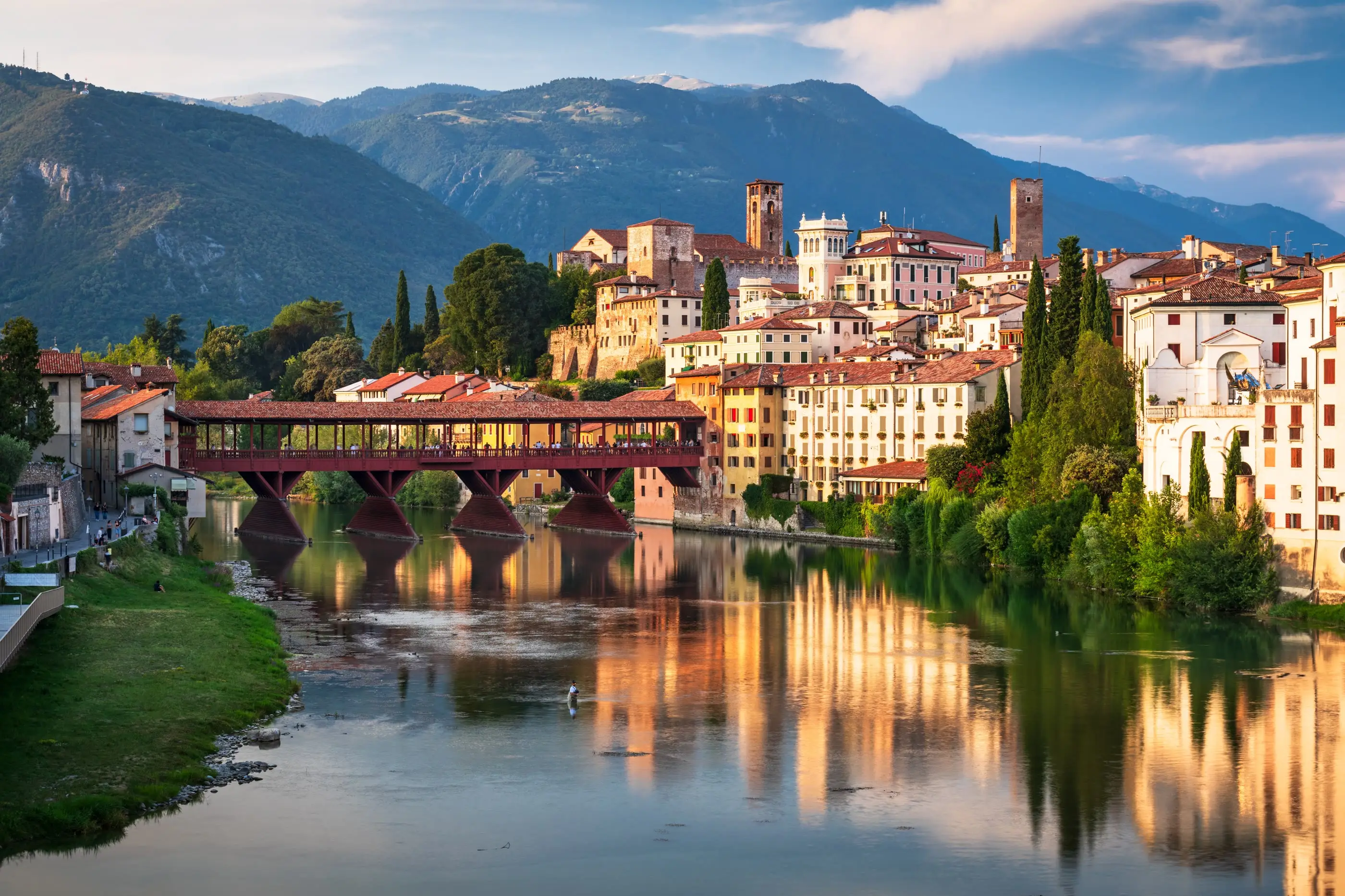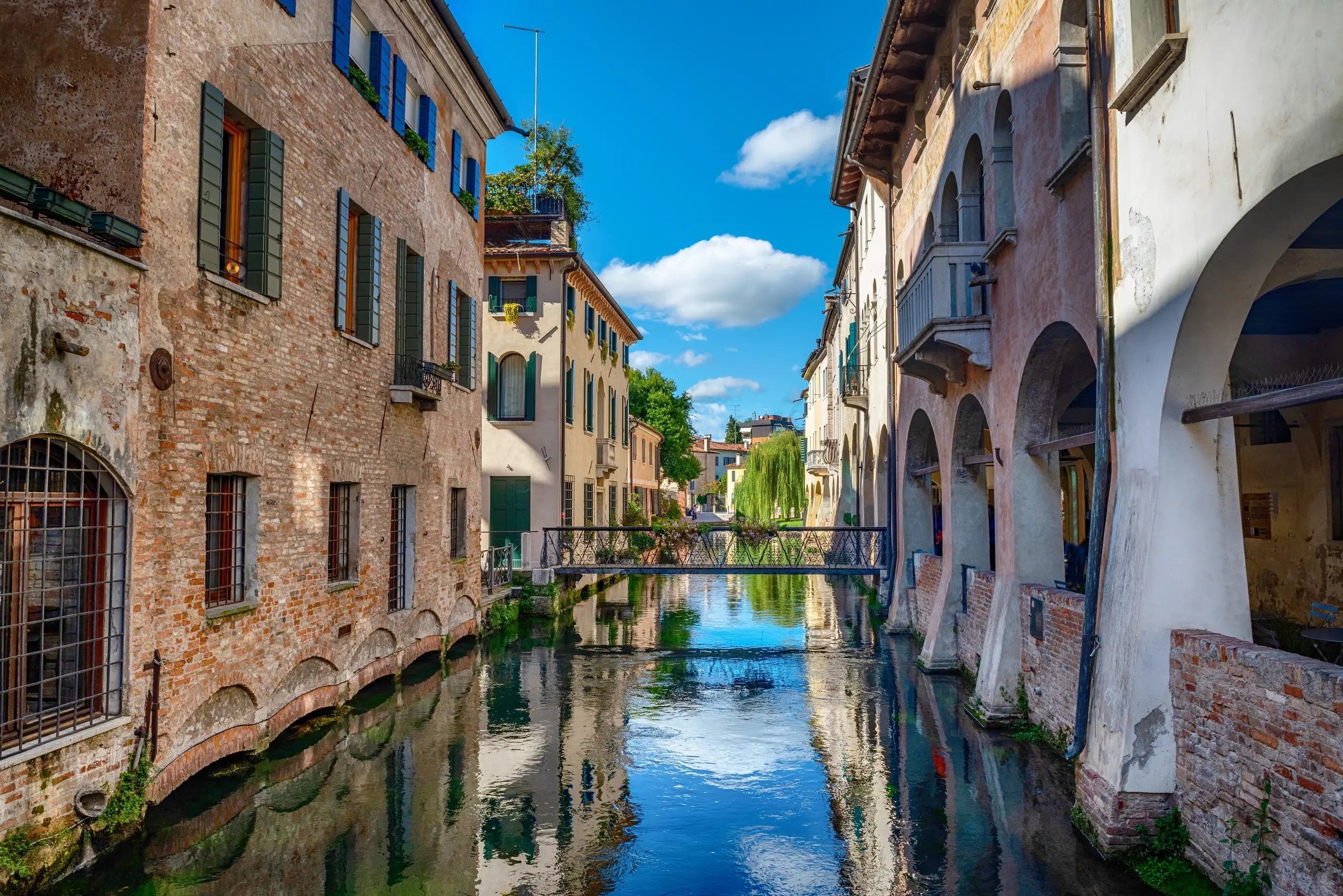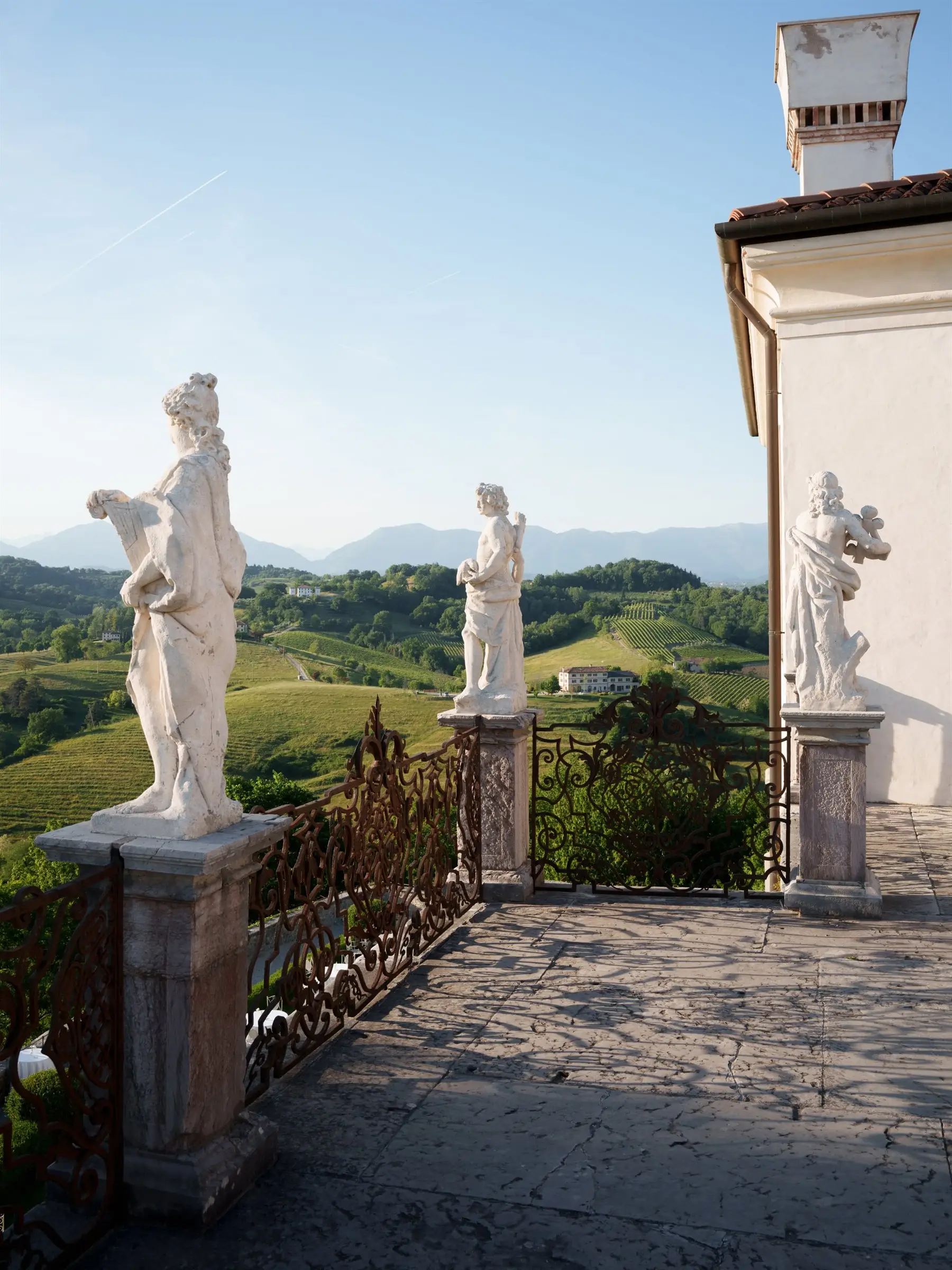
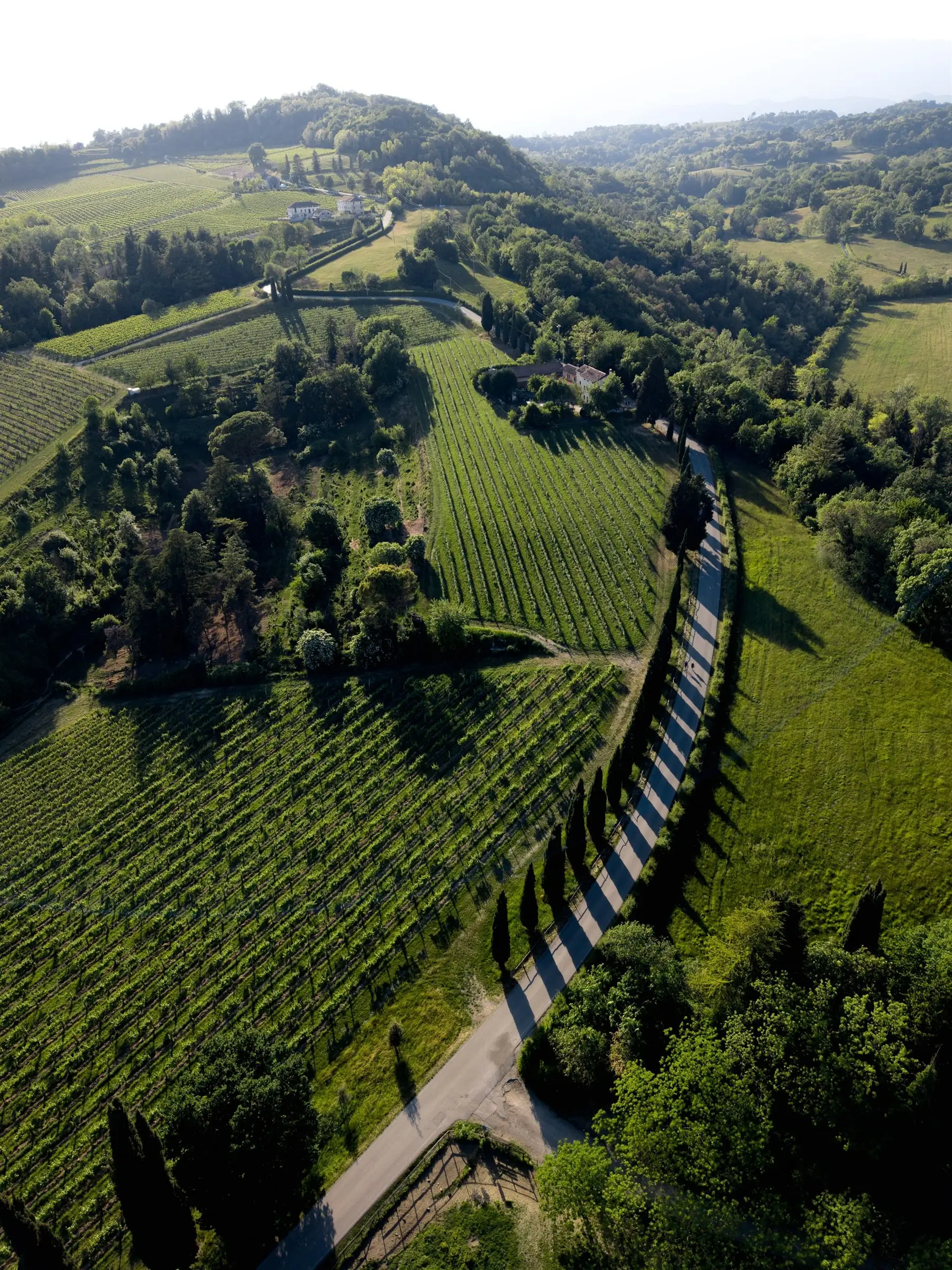
 Photographers: Marina, Vladimir, @hautecontentmaison; Editing and selection: Roman Ivanov @romanivanov_photo
Planning your first trip to Veneto?
Flights, seasons, and where to stay.
Venetians have a word for the rest of Veneto, terraferma, the mainland. It runs from the Adriatic beaches to Lake Garda and from the Prosecco Hills up into the Dolomites, and it’s bigger than most first-time visitors expect. That’s why two choices shape your trip more than any other, when you go and where you stay.
I came to know the region slowly, over summers and winters at my grandparents’ house in Conegliano, in the Prosecco Hills, about an hour north of Venice. This guide is what I’d tell a friend planning a first trip, from how to get there to when to go and where to base yourself. If you’re still deciding whether to go, start with why Veneto is worth visiting, and for more on each town, see our city guides.
How do you get to Veneto from the US?
There’s no need to connect through Rome or Milan. Venice Marco Polo Airport (VCE) has nonstop flights from the US, mostly from late spring through early fall:
- Delta: New York (JFK), Atlanta (and Boston starting in 2027)
- United: Newark, Washington Dulles
- American: Philadelphia, Dallas–Fort Worth
Outside the summer season, plan on one easy connection through a European hub like Paris, Amsterdam, Frankfurt, or Munich. Schedules change every year, so check with the airline before you build a trip around a flight.
From the airport, a short bus ride takes you to Venezia Mestre, the main train station on the mainland side of Venice, where trains fan out across the region. For most of the towns in this guide, the train is an easy, fast way to get around. But the real beauty of Veneto lies between the stations, along vineyard roads, in hilltop villages, and up into the mountains. To see it, rent a car (along with your US license, you’ll need an International Driving Permit, which AAA can issue), or let us arrange a driver.
When is the best time to visit Veneto?
Veneto has beaches, lakes, countryside hills, and mountains, so there’s no right or wrong season. It just depends on the trip you want to have.
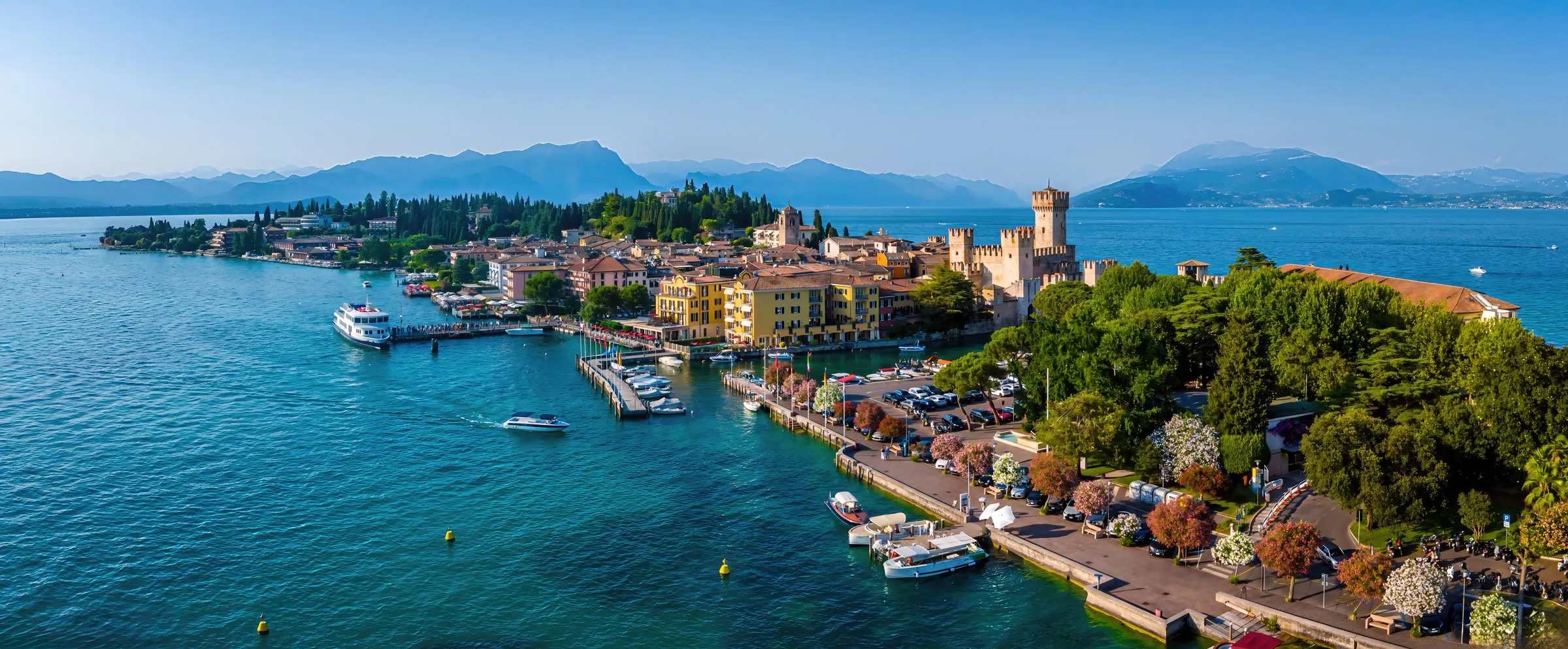
Summer Favorites this time of year: Lake Garda · Prosecco Hills The whole region is awake. Lake Garda is warm enough for long swims and longer lunches by the water. In Verona, opera returns to the Roman Arena for summer nights under the stars, and in the Prosecco Hills, aperitivo stretches late into the evening. In Venice, the best hours are early morning and late evening, when the canals go quiet and the light turns gold, and up north, the Dolomites open their trails for hiking, with lunch at a rifugio (mountain cabin) along the way.
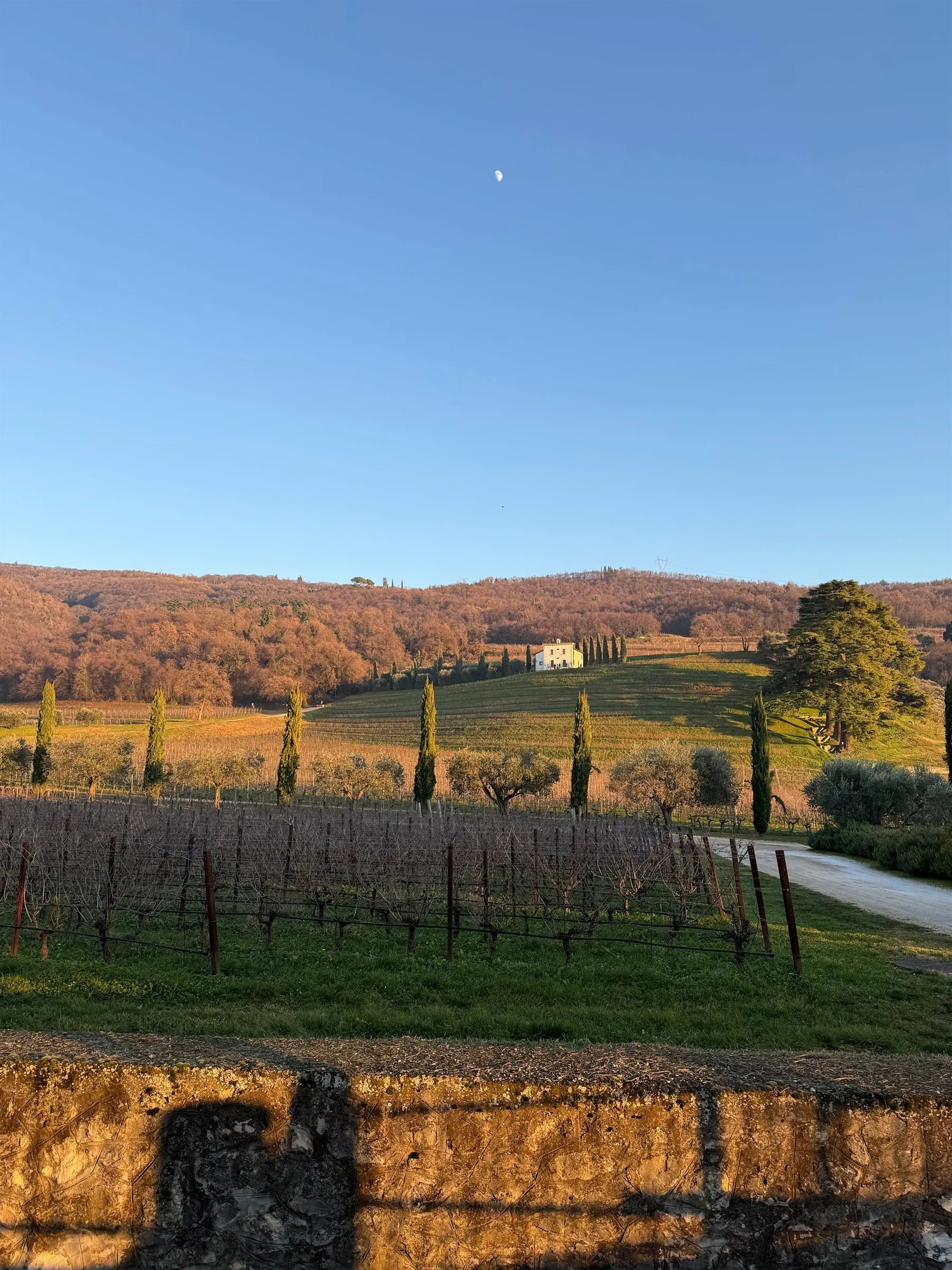
Fall Favorites this time of year: Verona · Vicenza · Padua Fall is harvest season. It begins in the Prosecco Hills in September, and as the weeks go on the vineyards turn gold and rust. With the heat gone and the crowds thinned, it’s the best time for the cities. It’s also red wine season. In Valpolicella, just outside Verona, grapes are laid out to dry for Amarone, and a tasting there on a cool afternoon is hard to beat.
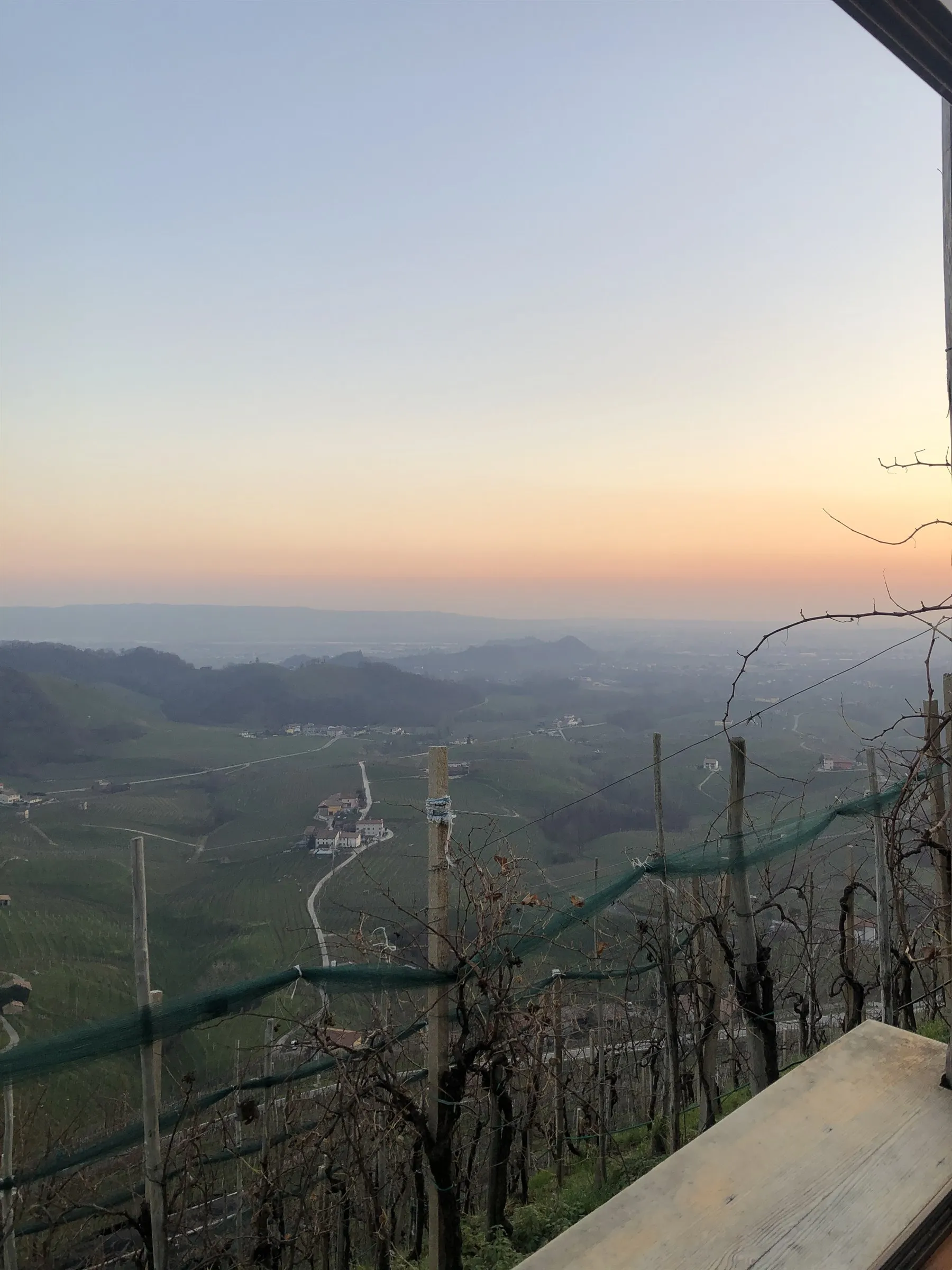
Winter Favorites this time of year: The Dolomites · Verona · Prosecco Hills Winter is for cozy lunches by the fire, at places like Antica Osteria alla Sorte. Venice in the off-season is a different city, with fog on the canals and the calli almost to yourself. Verona’s Christmas market fills the old center, and the small towns string up lights and pour vin brulé. Carnival in Venice usually falls in February, and up north, the Dolomites turn into a winter wonderland. Cortina d’Ampezzo co-hosted the 2026 Winter Olympics, and the slopes, the rifugi, and the long lunches at altitude are worth the trip even if you never ski.
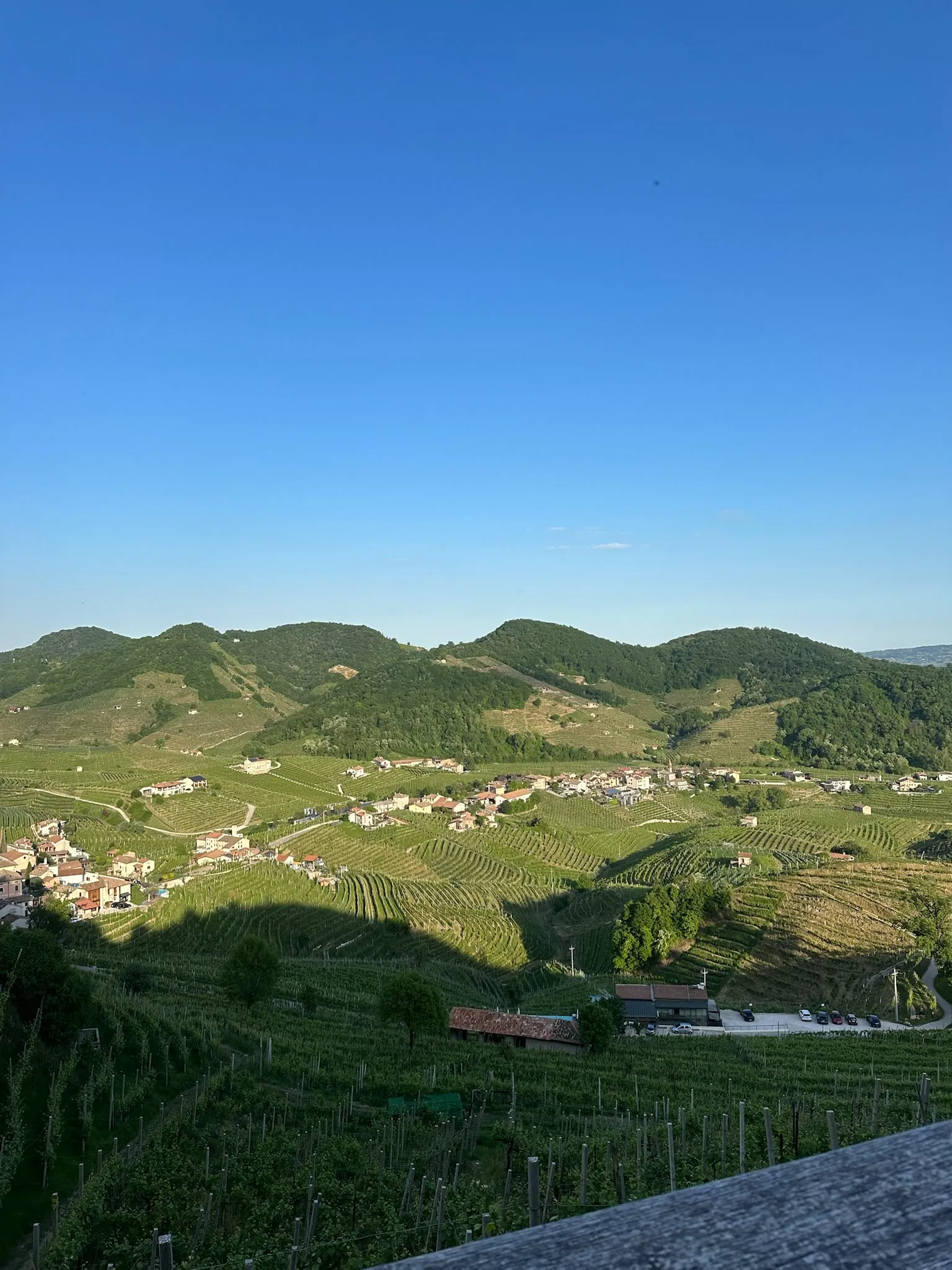
Spring Favorites this time of year: Prosecco Hills · Lake Garda · Padua Spring belongs to the countryside. The hills turn green, the wineries open their doors, and the Prosecco towns hold the Primavera del Prosecco festivals. Lake Garda is waking up, lovely for walks and lunches, though the water usually stays cool until June. Venice is calmer than in summer, although Easter and spring weekends still fill up.
Where to stay in Veneto?
To see the most, base yourself in one strategic place and take day trips from there. These are the bases we recommend most, and where you’ll find our villas.
The Prosecco Hills
We may be biased (since our family is from here), but we’re not wrong. No other base reaches as much, with the first Dolomite peaks to the north, Venice to the south, and dozens of small towns in between, from Valdobbiadene to Asolo. Stay here for vineyards outside your window.
| From here | Travel time |
|---|---|
| Venice | About 1 hour by train |
| The Dolomites | About 1 hour by car |
| Treviso | About 30 minutes by car or train |
| Verona and Lake Garda | About 2 hours by car |
See our villas in the Prosecco Hills
Verona
Step outside the city walls and find yourself in wine country. Lake Garda is close enough for an afternoon, and the cities to the east are an easy train ride away. The Dolomites are about 1 to 2 hours north by car, so plan them as a day trip. Stay here for a villa among the vineyards of Valpolicella, with Verona’s piazzas a short drive away for dinner.
| From here | Travel time |
|---|---|
| Valpolicella | About 20 minutes by car |
| Lake Garda | About 30 minutes by car |
| Padua | Under 1 hour by train |
| Venice | About 1 hour 15 minutes by train |
| The Dolomites | About 1–2 hours by car |
Vicenza
Vicenza sits at the heart of Veneto. This is Palladio’s city, with his villas scattered across the countryside around it. Stay here if you want one base that can take you anywhere, with the Prosecco Hills, Verona, Venice, and the mountains all within reach.
| From here | Travel time |
|---|---|
| Padua | About 15 minutes by train |
| Verona | About 30 minutes by train |
| Venice | About 45 minutes by train |
| The Prosecco Hills | About 1 hour by car |
Padua
Padua is close enough for full days in Venice and a quieter evening back at your own base. It’s a university town with a lively aperitivo culture (Aperol was born here), and Giotto’s frescoes in the Scrovegni Chapel are a short walk from the center. Just south of the city, at the foot of the Euganean Hills, the spa towns of Abano and Montegrotto Terme have drawn visitors to their thermal waters since Roman times. Stay here for a villa in the Euganean Hills, close to the spas, with Venice an easy day trip away.
| From here | Travel time |
|---|---|
| Venice | About 20 minutes by train |
| The Euganean Hills and spas | About 20 minutes by car |
| Vicenza | About 15 minutes by train |
| Verona | Under 1 hour by train |
What to know before visiting Veneto?
Venice, then one base Spend two or three nights in Venice at the start or the end of your trip, then give the rest of Veneto about a week from one base. Most villas rent by the week, and unpacking once leaves more of the trip for the region itself.
Meal times Lunch runs from about 12:30 to 2:30, and most kitchens close after that until dinner, which rarely starts before 7:30. Family restaurants often close one day a week, and around August 15, Ferragosto, many close for a week or two.
Carry some cash Cards work almost everywhere, but cash is still easier for small things like a coffee at the bar, a gelato, or a glass of wine (trust us, we’ve learned this the hard way more than once). Bring a Visa or Mastercard too, since many smaller places don’t take American Express.
Tipping Tipping works differently than at home. Most restaurants add a small coperto, a cover charge per person, to the bill. Leaving a few euros for great service is a nice gesture, but it’s never expected.
Not sure where to base yourself? Tell us about your trip and we’ll help you plan it.
Veneto travel FAQ
How many days do you need in Veneto?
Plan on about ten days if you can, with two or three nights in Venice and a week in the rest of the region from one base. Even a week lets you see a lot, since everything is close.
Is Venice a good base for exploring Veneto?
For a few days, yes. For the countryside, it’s easier to stay inland, since getting in and out of Venice takes time, and the hills and lakes are closer from a base on the mainland.
Do you need a car in Veneto?
Not for the cities, which are well connected by train. For the hills, the lakes, and the countryside, a car or a private driver makes all the difference.
What’s the best part of Veneto to stay in?
It depends on your trip. The Prosecco Hills are best for wine and countryside, Verona for Lake Garda and opera, and Vicenza or Padua for easy access to the cities.