Is Veneto worth visiting?
Five reasons to see more of the region than Venice.
Dreaming of mountain trails, or long lunches by a lake? Vineyards rolling to the horizon, and a glass of wine where it’s made? Frescoes, castles, and centuries of history, in towns where you’re one of the few visitors in the piazza?
What if that wasn’t three different trips, but one? In Veneto, it can be. By most counts, it’s the most visited region in Italy, yet most visitors come for Venice and never venture outside the city. They take their photos on the Rialto, squeeze through the crowds in Piazza San Marco, and catch the next train south.
What they miss is the rest of the region. Here are five reasons it deserves more than a day trip.
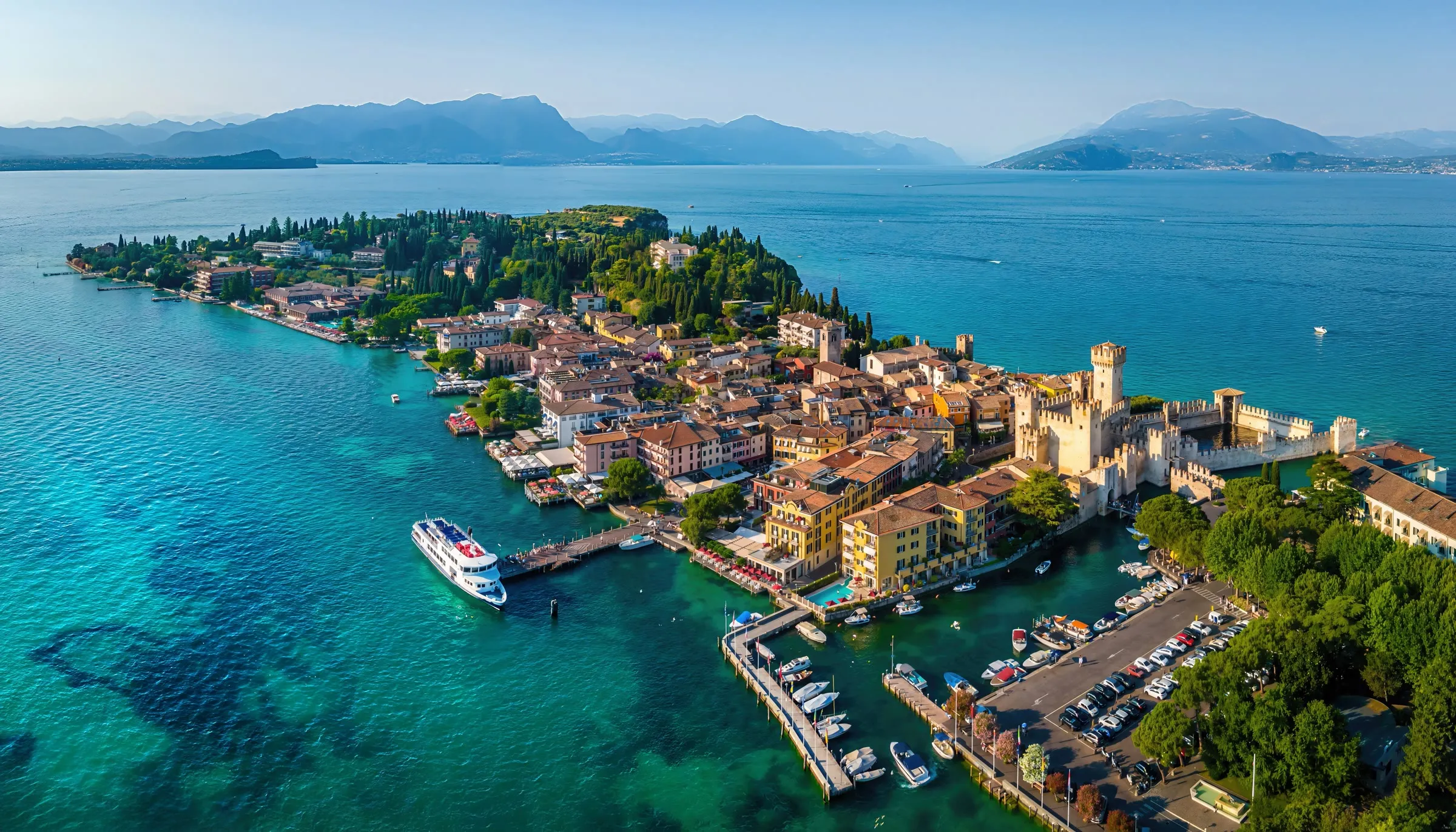
1. From the mountains to the sea: The Dolomites, Lake Garda, and the Prosecco Hills
Veneto starts on the Adriatic and climbs. Within a couple of hours you can go from the Venetian lagoon to the shores of Lake Garda, through the Prosecco Hills, and up into the Dolomites.
That means one trip can hold a morning swim in the lake, an afternoon among the vineyards, and a mountain lunch at a rifugio the next day. It also means there’s no wrong season. In summer the lake and the mountains are at their best. In winter the Dolomites turn white, and the hills below go quiet and cozy. (Our planning guide goes season by season.)
2. History: The Venetian Republic, Palladio, and the Arena di Verona
For more than a thousand years, the Republic of Venice, La Serenissima, was one of the longest-lived republics in history. Its merchants traded across the Mediterranean, and from the 1400s its rule stretched across the mainland, from the Adriatic to Lake Garda. The wealth they brought home built the region you see today, starting with the Doge’s Palace in Venice.
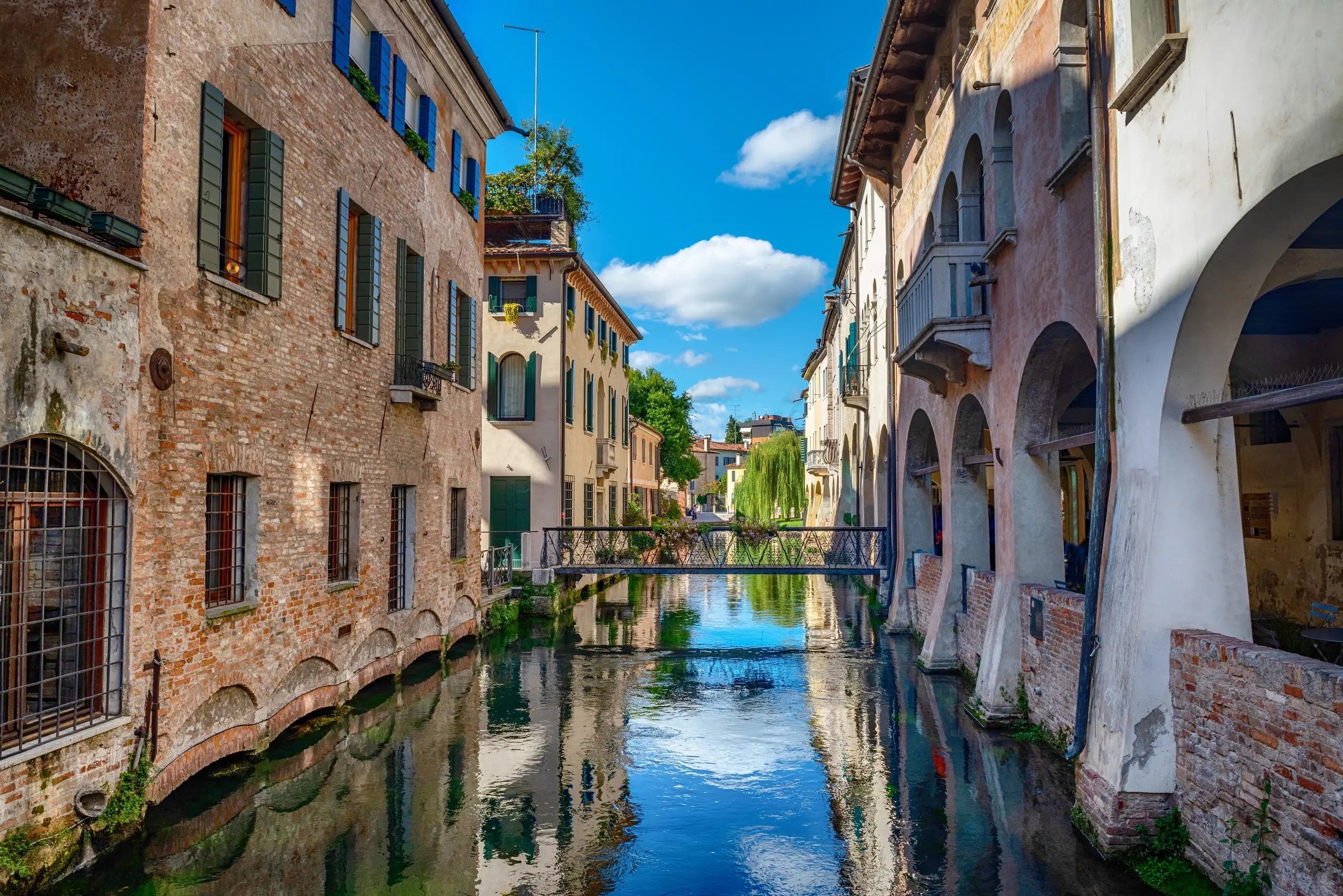
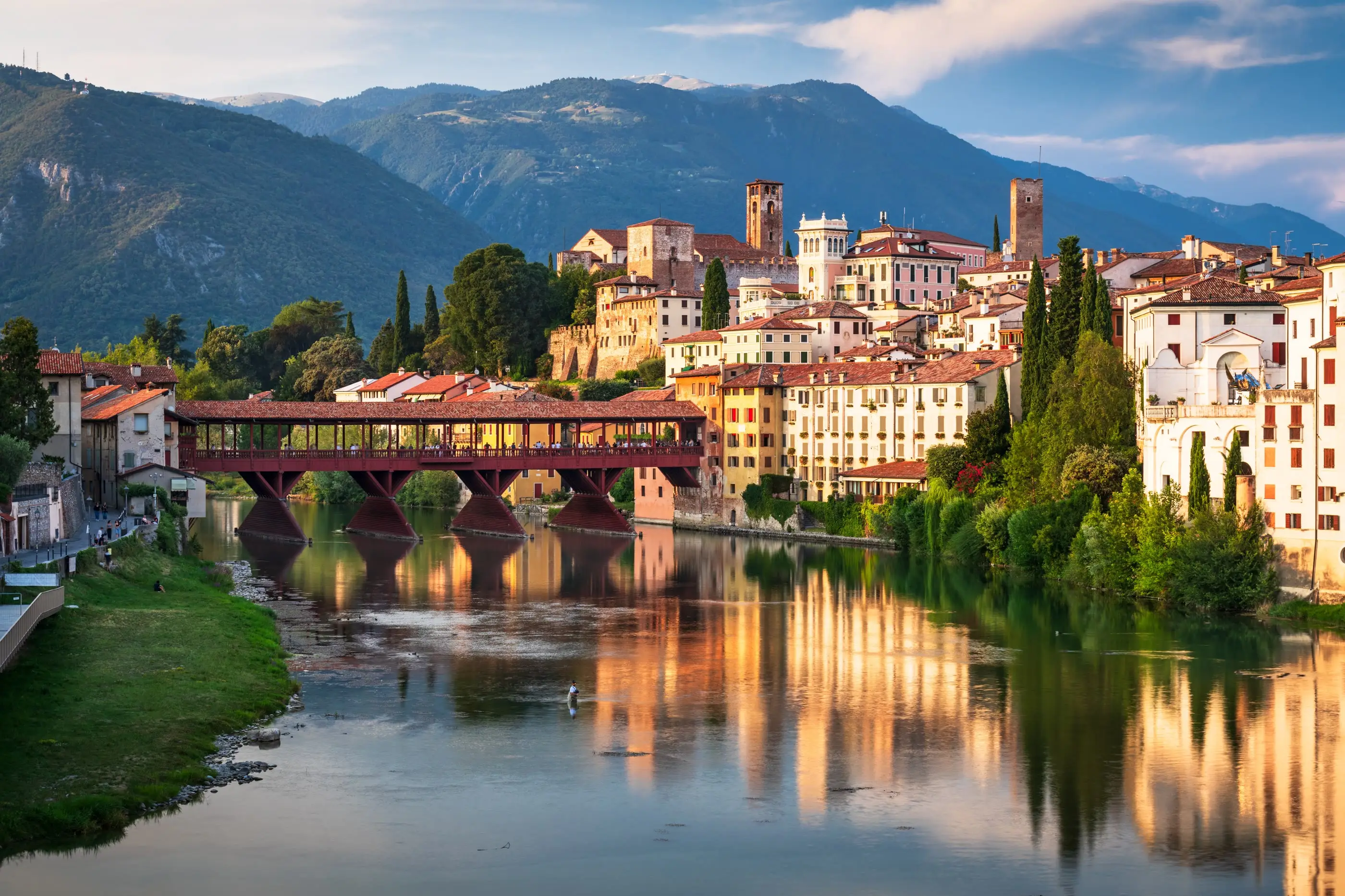
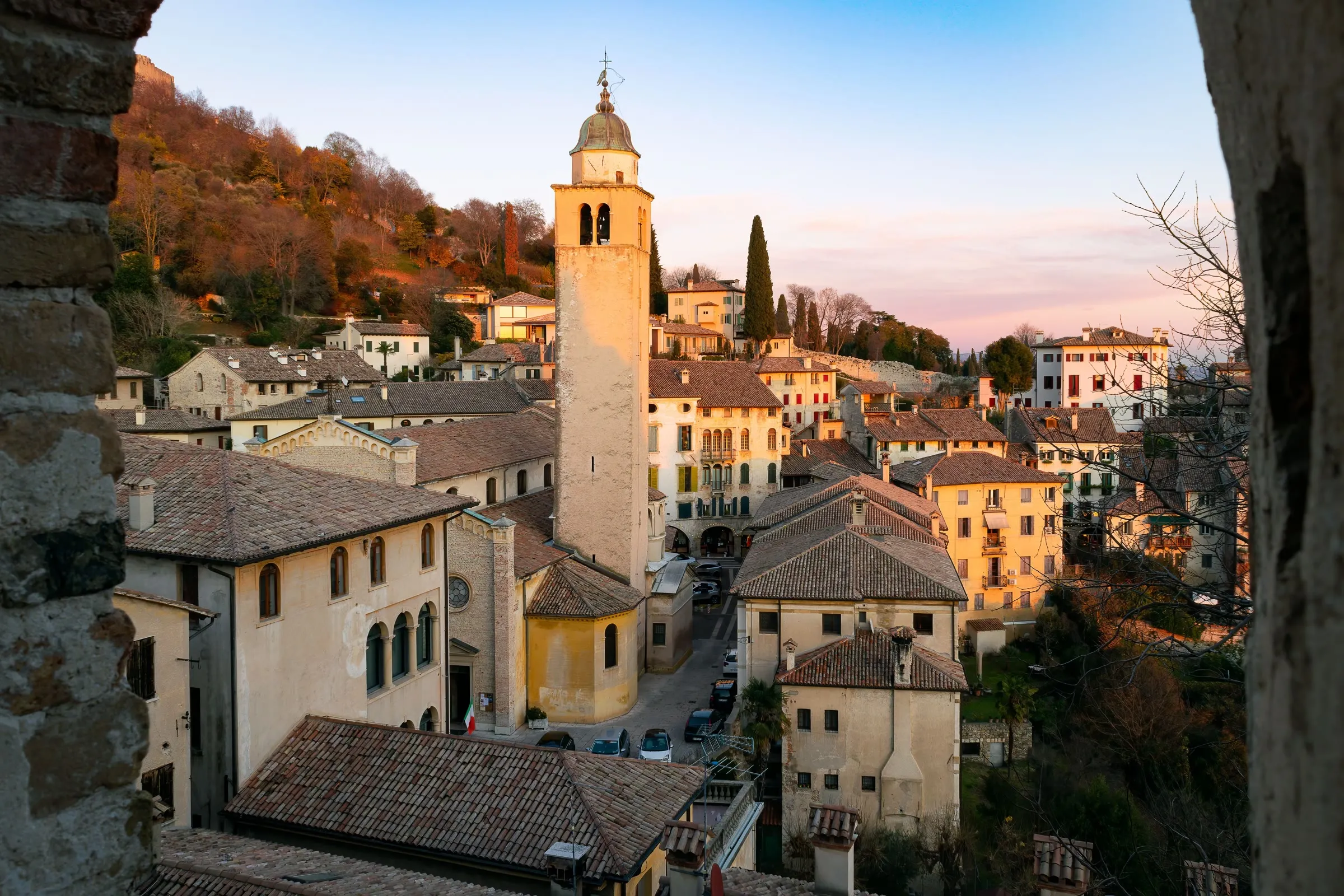
Before Venice took over, the mainland belonged to rival lords and city-states, and they left behind a countryside rich in medieval castles and walled towns, many still standing proudly today. You can walk along the top of the walls in Cittadella, follow the walls of Montagnana almost all the way around the old town, and climb up to the castles above Conegliano, Asolo, and Soave.
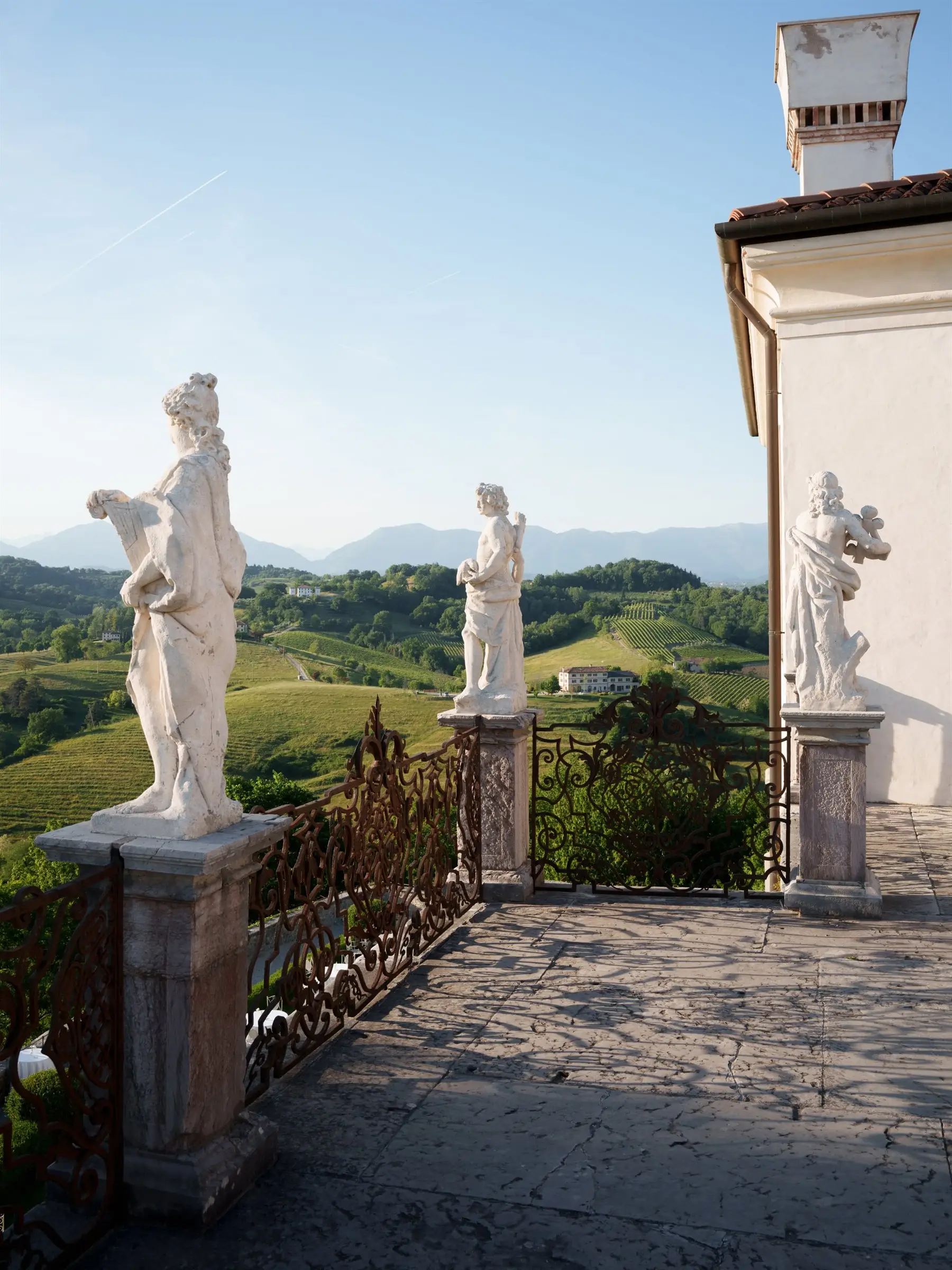
Venice’s wealth also went into the countryside. In the 1500s, Venetian families built villas on their farmland, and many of the most beautiful were designed by Andrea Palladio, among them Villa Capra “La Rotonda” outside Vicenza and Villa Barbaro in Maser. His columns and porticoes traveled far beyond Veneto, all the way to Thomas Jefferson’s Monticello. In Vicenza itself, his Teatro Olimpico is one of the oldest indoor theaters in the world, and the city and its Palladian villas are a UNESCO World Heritage Site.
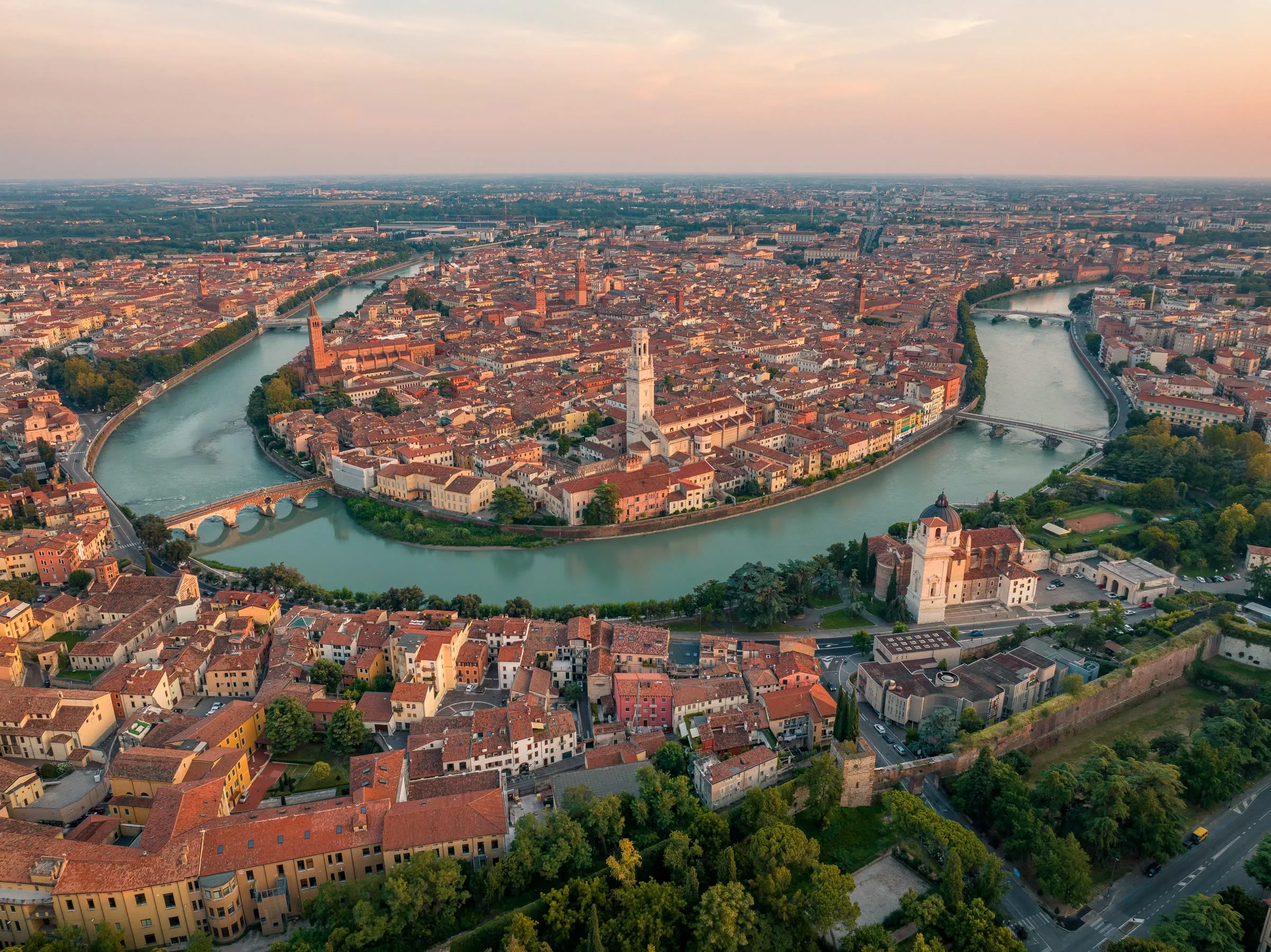
Then there are the cities. In Verona, the Arena di Verona, a Roman amphitheater nearly 2,000 years old, still hosts opera on summer nights, and Castelvecchio, a medieval castle, is now an art museum. In Padua, Giotto’s frescoes cover the Scrovegni Chapel from floor to ceiling.
Padua is also home to one of the oldest universities in the world, founded in 1222. Galileo taught there for almost twenty years, and in 1678 Elena Cornaro Piscopia graduated there, widely recognized as the first woman in the world to earn a university degree. The university’s Orto Botanico, planted in 1545, is the oldest university botanical garden still in its original place.
And the traditions never stopped. Venice still fills with masks for Carnival every winter. In Marostica, townspeople in Renaissance costume become the pieces of a living chess game in the main square every other September. And all year, towns across the region hold festivals with roots that go back centuries.
3. Food and wine: Prosecco, Amarone, cicchetti, and tiramisù
Veneto eats and drinks like nowhere else in Italy, and it changes as you travel.
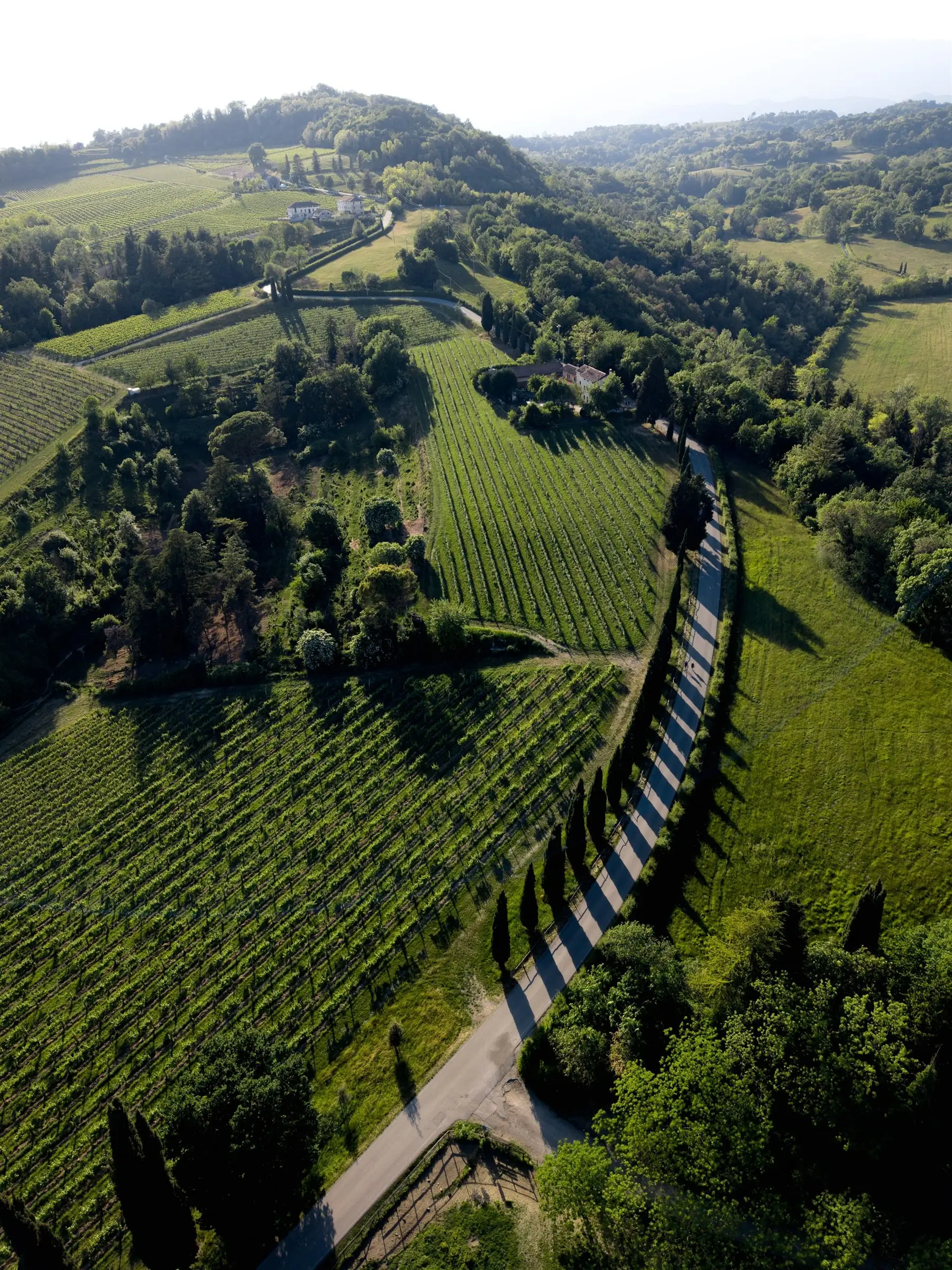
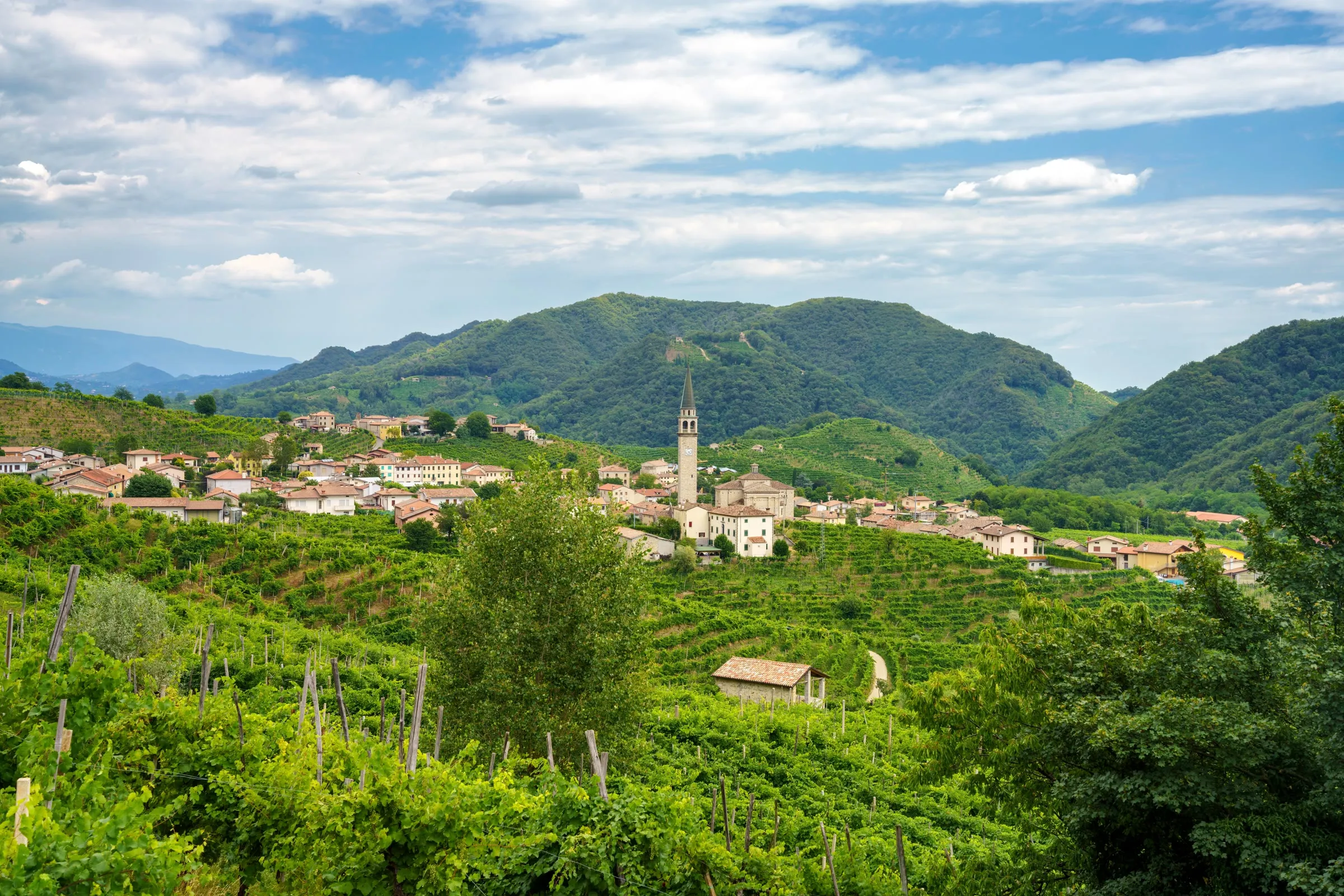
Here, wine comes with a view. In the Prosecco Hills, vineyards climb slopes so steep they’re still tended by hand, with small family cellars tucked between the rows and church towers on every ridge. Outside Verona, grand old villas sit among the vines of Valpolicella, where grapes are laid out to dry for months to make Amarone, a deep, velvety red.
Then there’s the ritual of cicchetti. Think of them as Italian tapas, small bites like crostini, meatballs, and fried seafood, eaten standing at the bar. They’re not just a Venetian thing. You’ll find them in bars across the region, and they’re meant to go with your spritz.
This is also the land of tiramisù, which Treviso says was born there. Of course, you’ll find great pizza and pasta everywhere, and Veneto has its own, like bigoli, a thick, fresh spaghetti often served with duck ragù. But save room for the dishes you’ll only find here, from seafood fresh from Venice to polenta with mushrooms in the hills, Asiago from the mountain pastures, and, in winter, the red radicchio of Treviso, grilled or stirred into risotto.
4. Fewer crowds: Quiet towns an hour from Venice
Venice gets the crowds. The rest of Veneto mostly doesn’t.
An hour from Venice, you can walk through a hilltop town on a summer afternoon and hear more Italian than English. You can sit in a piazza without a reservation, drive vineyard roads without traffic, and find a last-minute table for lunch.
That’s the Italy most people picture when they plan a trip, and in Veneto it’s still easy to find.
5. The people: Hospitality as a way of life
This is the reason I come back to every time. People in Veneto are warm and welcoming, and they take real pride in what they do, whether that’s a family winery, a small trattoria, or a hotel that has been in the same family for generations.
The service is on another level, because being hospitable is simply part of everyday life here. The owner remembers how you like your coffee by the second morning. The waiter tells you what’s good today, not what’s on the menu. By the end of the week, it feels less like you’re visiting and more like you belong.
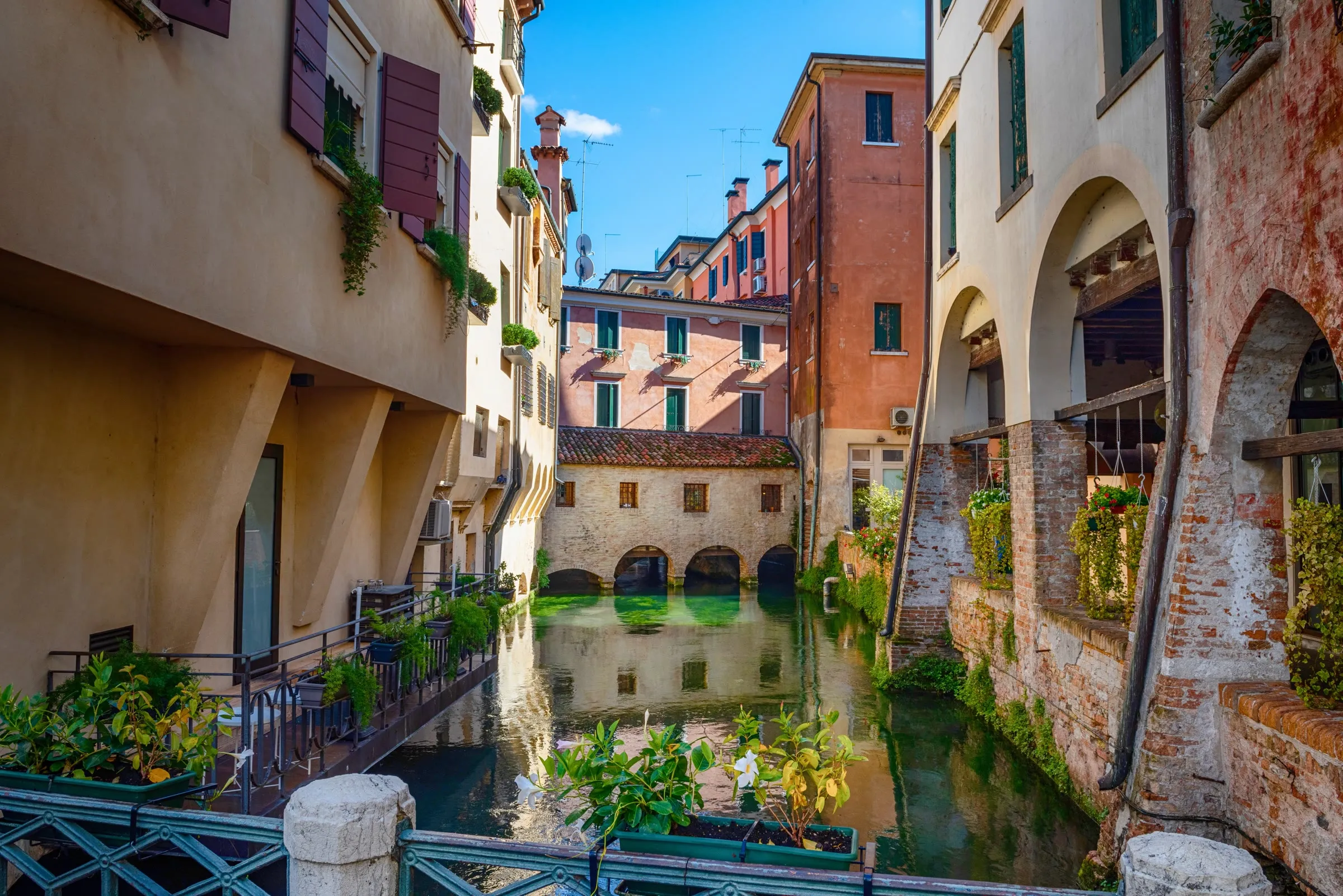
So, is Veneto worth visiting?
Yes, and it’s worth more than a day. Spend a few nights in Venice, then give the rest of the region a week from one base. Our planning guide covers how to get there, when to go, and where to stay.
Not sure where to start? Tell us about your trip, and we’ll help you plan it.